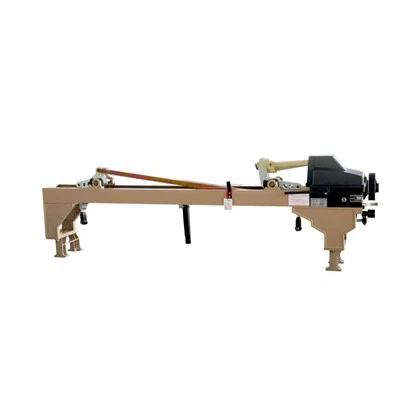


What is the weight of Jacquard Textile Machinery?
As a supplier of Jacquard Textile Machinery, I often encounter questions from potential customers about various aspects of our products, and one frequently asked question is about the weight of Jacquard Textile Machinery. Understanding the weight of this machinery is crucial for multiple reasons, including installation, transportation, and overall operational considerations.
Importance of Knowing the Weight
First and foremost, the weight of Jacquard Textile Machinery is significant when it comes to installation. A heavy - duty machine requires a stable foundation. If the floor or the installation area cannot support the weight of the machinery, it can lead to structural damage, uneven operation, and even pose safety risks. For example, if a large - scale Jacquard Textile Machinery is installed on a weak floor, over time, the floor may sag or crack, which can affect the alignment of the machine and the quality of the textile production.
Transportation is another area where the weight of the machinery plays a vital role. Shipping companies calculate their fees based on the weight and volume of the cargo. A heavier machine will generally cost more to transport. Moreover, the weight also determines the type of transportation vehicle required. For extremely heavy Jacquard Textile Machinery, specialized heavy - haul trucks or even cranes may be needed to load and unload the equipment safely.
Factors Affecting the Weight
The weight of Jacquard Textile Machinery can vary significantly depending on several factors. One of the primary factors is the size of the machine. Larger machines with a greater working width and more complex mechanisms tend to be heavier. For instance, a wide - width High Speed Electronic Jacquard Machine that can produce large - scale textile patterns will have more components, such as a larger jacquard head, more yarn feeders, and a sturdier frame, all of which contribute to its increased weight.
The materials used in the construction of the machinery also have a substantial impact on its weight. Machines made of high - strength steel or other heavy - duty metals will be heavier than those made of lighter materials. However, heavy - duty materials are often preferred because they offer greater durability and stability during operation, which is essential for long - term use in a textile production environment.
The level of automation and technological sophistication of the machine is another factor. More advanced Jacquard Electronic systems with complex control units, sensors, and computer interfaces add to the overall weight. These advanced features, while enhancing the functionality and efficiency of the machine, also come with additional components that increase the weight.


Typical Weight Ranges
It's difficult to provide an exact weight for all Jacquard Textile Machinery as there is a wide range of models and types available in the market. However, we can give some general weight ranges. Small - scale Jacquard Textile Machinery, which may be suitable for small - batch production or home - based operations, can weigh anywhere from a few hundred kilograms to around one ton. These machines are relatively compact and have fewer features compared to larger industrial models.
Medium - sized industrial Jacquard Textile Machinery, which are commonly used in medium - sized textile factories, typically weigh between one and five tons. These machines offer a good balance between production capacity and weight, and they are designed to handle a moderate volume of textile production.
Large - scale industrial Jacquard Textile Machinery, such as those used in large textile mills for mass production, can weigh over five tons, and in some cases, up to ten tons or more. These machines are built to handle high - volume production, and their large size and complex mechanisms contribute to their significant weight.
Handling and Safety Considerations
Given the weight of Jacquard Textile Machinery, proper handling is of utmost importance. When installing the machinery, it is essential to follow the manufacturer's guidelines carefully. This may involve using appropriate lifting equipment, such as forklifts or cranes, to move the machine into place. The installation area should be inspected to ensure it can support the weight of the machine, and any necessary reinforcements should be made before installation.
During operation, regular maintenance and inspection of the machine are necessary to ensure its structural integrity. This includes checking for any signs of wear and tear on the frame and components, as well as ensuring that all connections are secure. If any issues are detected, they should be addressed promptly to prevent further damage and ensure the safety of the operators.
Conclusion
In conclusion, the weight of Jacquard Textile Machinery is a crucial factor that impacts various aspects of its use, from installation and transportation to operation and maintenance. As a supplier, we understand the importance of providing accurate information about the weight of our products to our customers. Whether you are a small - scale textile producer or a large - scale industrial manufacturer, choosing the right Jacquard Textile Machinery that suits your production needs and can be safely installed and operated is essential.
If you are interested in learning more about our Jacquard Textile Machinery or have specific questions regarding the weight and other features of our products, we encourage you to contact us for a detailed discussion. We are committed to providing high - quality machinery and excellent customer service to help you achieve your textile production goals.
References
- Textile Machinery Handbook: A comprehensive guide to the design, operation, and maintenance of textile machinery.
- Industry reports on the latest trends and developments in Jacquard Textile Machinery.