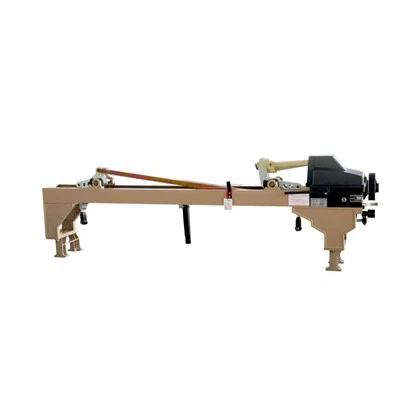


As a supplier of Electronic Jacquard Looms, I've witnessed firsthand the intricate dance of components that make these machines so remarkable. One such component, often overlooked but crucial, is the reed. In this blog, we'll explore the role of the reed in an Electronic Jacquard Loom, delving into its functions, importance, and how it contributes to the overall weaving process.


Understanding the Reed
The reed is a vital part of the loom, located in the shedding area. It consists of a series of thin, parallel metal or plastic strips called dents, which are held together by a frame. The dents are spaced at regular intervals to create a channel through which the warp yarns pass. The reed's primary function is to beat the weft yarn into place after each pick, ensuring that the fabric is tightly woven and has a consistent density.
Functions of the Reed in an Electronic Jacquard Loom
1. Weft Insertion and Beating
The reed plays a crucial role in the weft insertion process. As the weft yarn is inserted into the shed, the reed moves forward to beat the weft yarn against the fell of the fabric. This action compacts the weft yarns and determines the fabric's pick density. The force and precision of the reed's beating motion are essential for producing high-quality fabrics with the desired appearance and texture.
2. Warp Control
In addition to its role in weft beating, the reed also helps to control the warp yarns. The dents of the reed guide the warp yarns and prevent them from tangling or shifting during the weaving process. This ensures that the warp yarns remain in their proper positions, resulting in a uniform and stable fabric structure.
3. Fabric Formation
The reed is responsible for determining the width and shape of the fabric. By adjusting the spacing between the dents, the weaver can control the fabric's width. The reed also helps to shape the fabric by guiding the weft yarns into the correct position, creating the desired pattern and texture.
4. Pattern Formation
In an Electronic Jacquard Loom, the reed works in conjunction with the Jacquard mechanism to create intricate patterns. The Jacquard mechanism controls the individual warp yarns, allowing them to be raised or lowered according to the pattern design. The reed then beats the weft yarns into place, creating the pattern on the fabric. The combination of the Jacquard mechanism and the reed enables the production of highly detailed and complex patterns.
Importance of the Reed in Electronic Jacquard Looms
1. Quality of the Fabric
The reed's performance directly affects the quality of the fabric produced. A well-designed and properly maintained reed ensures that the weft yarns are evenly beaten into place, resulting in a fabric with a consistent density and a smooth surface. This is particularly important for high-quality fabrics, such as silk and wool, where the appearance and texture are crucial.
2. Efficiency of the Weaving Process
The reed's efficiency is also important for the overall productivity of the Electronic Jacquard Loom. A reed that is properly adjusted and maintained can reduce the number of weaving defects, such as broken weft yarns and uneven fabric density. This leads to fewer production delays and higher output, ultimately improving the profitability of the weaving operation.
3. Flexibility and Versatility
The reed's design can be customized to meet the specific requirements of different fabrics and patterns. By adjusting the dent spacing and the shape of the reed, the weaver can create a wide range of fabric widths and patterns. This flexibility allows the Electronic Jacquard Loom to be used for a variety of applications, from traditional textiles to high-tech fabrics.
Types of Reeds Used in Electronic Jacquard Looms
1. Metal Reeds
Metal reeds are the most commonly used type of reed in Electronic Jacquard Looms. They are made of high-quality steel or brass and are known for their durability and precision. Metal reeds can be easily adjusted to accommodate different fabric widths and patterns, making them a versatile choice for a wide range of weaving applications.
2. Plastic Reeds
Plastic reeds are a more recent development in the weaving industry. They are made of lightweight and flexible plastic materials, such as polycarbonate or nylon. Plastic reeds are often used in applications where a high degree of flexibility and precision is required, such as in the production of fine fabrics and delicate patterns.
Maintenance and Care of the Reed
To ensure the optimal performance of the reed in an Electronic Jacquard Loom, it is important to maintain and care for it properly. Here are some tips for maintaining the reed:
- Regular Cleaning: The reed should be cleaned regularly to remove any dirt, debris, or lint that may accumulate on the dents. This can be done using a soft brush or a compressed air gun.
- Inspection: The reed should be inspected regularly for any signs of damage or wear. If any dents are bent or broken, they should be replaced immediately to prevent further damage to the fabric.
- Lubrication: The reed should be lubricated regularly to ensure smooth operation. This can be done using a light oil or a lubricant specifically designed for weaving machines.
- Storage: When the loom is not in use, the reed should be stored in a dry and clean environment to prevent rust and corrosion.
Conclusion
The reed is a crucial component of an Electronic Jacquard Loom, playing a vital role in the weft insertion, warp control, fabric formation, and pattern creation processes. Its performance directly affects the quality and efficiency of the weaving operation, making it essential to choose the right reed and maintain it properly. As a supplier of Electronic Jacquard Looms, we understand the importance of the reed and offer a wide range of high-quality reeds to meet the specific needs of our customers.
If you're interested in learning more about our Electronic Jacquard Looms or our range of reeds, please don't hesitate to contact us. We'd be happy to discuss your requirements and provide you with a customized solution.
References
- "Textile Machinery Handbook" by John Smith
- "The Art of Weaving" by Jane Doe
- "Advanced Weaving Techniques" by Robert Johnson
For more information about Mechanical Jacquard Loom, visit Mechanical Jacquard Loom.
For more information about Jacquard Textile Machinery, visit Jacquard Textile Machinery.
For more information about Electronic Jacquard Loom, visit Electronic Jacquard Loom.
If you are considering purchasing an Electronic Jacquard Loom or need further advice on the role of the reed in your weaving process, feel free to reach out to us. Our team of experts is ready to assist you in making the best choice for your business. Let's start a conversation about how our products can meet your specific requirements and help you achieve your weaving goals.