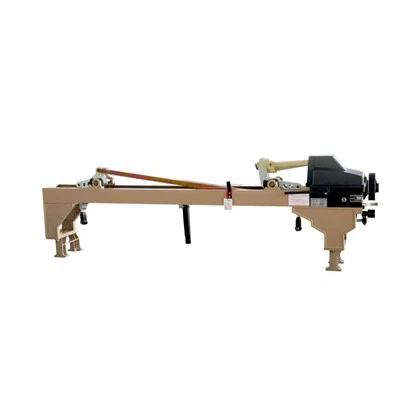

The global textile machinery industry is currently undergoing a profound and rapid transformation, driven by a combination of disruptive technological advancements and shifting global market demands. Manufacturers across the world are pivoting their focus toward three core pillars: peak operational efficiency, high-level automation, and long-term sustainability. As a Shanghai high-tech enterprise at the forefront of this industrial design revolution, we recognize that the modern textile mill is no longer just a place of mechanical labor, but a sophisticated ecosystem of integrated technologies. The shift toward automation is perhaps the most visible trend, as contemporary textile machines are increasingly equipped with autonomous systems that significantly reduce the need for manual intervention. This transition not only mitigates the rising costs of labor but also drastically improves the consistency of the final product, ensuring that every yard of fabric meets the world-class quality standards expected by high-end international brands.
Digitalization serves as the digital backbone of this new era in manufacturing. Smart textile machines are now integrated with high-precision sensors and advanced software architectures that allow for the seamless collection and analysis of real-time data. As a Shanghai technology-based small and medium-sized enterprise, we have utilized these digital tools to create machines that can essentially think and adapt. These systems monitor every aspect of the machine's performance, from spindle speed to tension control, allowing for immediate adjustments that prevent defects before they occur. This level of technical intelligence is particularly critical in high-pressure manufacturing environments such as those supplying materials for hospitals or large-scale commercial office buildings, where precision and reliability are the primary requirements for any textile contract.
Energy efficiency has moved from being a peripheral concern to a top priority for global manufacturers. New generations of textile machinery are engineered to consume significantly less power while maintaining, or even exceeding, previous performance benchmarks. This shift is deeply influenced by the latest industry news regarding energy-efficiency certifications, such as the IE3 and IE4 motor standards, which are increasingly becoming a mandatory barrier to entry for projects involving government units and public schools. By focusing on green power and the reduction of a factory's carbon footprint, we are helping our clients lower their total cost of ownership while aligning with global sustainability goals. This commitment to eco-friendly production also extends to the use of biodegradable lubricants and recycled components in non-pressure-bearing parts of the machine, ensuring that our equipment operates in harmony with the environment.
The integration of Internet of Things technology represents a major leap forward in how textile factories are managed. IoT-enabled machines can communicate with one another and with a centralized control system, enabling a level of transparency that was previously impossible. This connectivity is the foundation of our predictive maintenance strategy, supported by our huge sales and service network. By analyzing the data transmitted from a machine in a distant transportation hub or a suburban factory, our engineers can identify potential mechanical wear and schedule maintenance before a failure occurs. This proactive approach to service ensures that our Beike-standard products remain operational around the clock, providing the reliability needed for high-volume production cycles.
Furthermore, the industry is seeing a significant trend toward customization and modularity. In today's fast-moving fashion and technical textile markets, customers are looking for machines that can be tailored to specific, often niche, production needs. Our status as a Shanghai specialized and innovative enterprise allows us to offer flexible designs that can be adapted to space-constrained environments without sacrificing power or precision. We pay close attention to the raw material dynamics of the global market, particularly the availability of high-grade alloys and specialized polymers, to ensure that our customized fittings maintain their structural integrity under the chemical stress of modern dyeing and finishing processes. This ability to innovate and adapt is what defines our role in the current design revolution.
Our grand plan for the future is to make our smart textile solutions the universal standard for all modern weaving and spinning projects, from luxury fashion houses to the manufacturing of technical textiles for airport kiosks and cinema interiors. We believe that by combining high-precision CNC technology with sustainable manufacturing philosophies, we can prove that even the most established industrial sectors can be reinvented for a smarter future. As we continue to lead as a technology-based small and medium-sized enterprise in Shanghai, our focus remains on delivering premium quality and world-class innovation to every client. By embracing the synergy between digital intelligence and mechanical excellence, we are not just building machines; we are providing the tools for a more efficient, sustainable, and connected global textile industry.