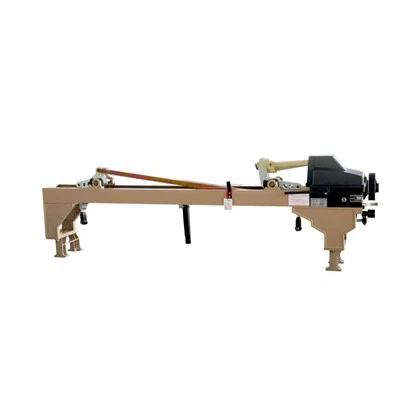


Hey there! As a supplier of multi - arm machines, I know how crucial it is to have these machines calibrated correctly. Calibration ensures that your multi - arm machine operates at its best, giving you accurate results and long - term reliability. In this blog, I'll walk you through the steps on how to calibrate a multi - arm machine.
Why Calibration Matters
Before we dive into the calibration process, let's talk about why calibration is so important. A well - calibrated multi - arm machine provides consistent and accurate performance. Whether you're using a High - speed Passive Multi - arm Machine for high - volume production or a Rotary Electronic Multi - arm Machine for more precise tasks, calibration helps maintain the quality of your output.
Over time, factors like wear and tear, environmental conditions, and regular use can cause a multi - arm machine to deviate from its optimal settings. This can lead to errors in production, such as incorrect measurements or inconsistent product quality. By calibrating your machine regularly, you can catch these issues early and keep your operations running smoothly.
Pre - Calibration Checks
Before you start the actual calibration process, there are a few pre - calibration checks you need to do. First, make sure the machine is clean. Dust, debris, and other contaminants can affect the accuracy of the calibration. Use a clean, dry cloth to wipe down the machine, paying special attention to the moving parts and sensors.
Next, check the power supply. A stable power source is essential for accurate calibration. Make sure the voltage and current are within the recommended range for your machine. If you notice any fluctuations or issues with the power supply, address them before proceeding with the calibration.
Inspect the machine for any visible damage. Look for loose parts, broken wires, or signs of wear. If you find any problems, repair or replace the damaged components before calibrating the machine. This will ensure that the calibration process is accurate and that the machine operates safely.
Calibration Tools
To calibrate a multi - arm machine, you'll need a few tools. The most common tools include a precision measuring device, such as a micrometer or a caliper, and a calibration standard. The calibration standard is a known reference that you'll use to compare the machine's measurements.
Make sure your tools are in good condition and properly calibrated themselves. Using inaccurate tools can lead to incorrect calibration results. You can have your tools calibrated by a professional calibration service on a regular basis to ensure their accuracy.
Step - by - Step Calibration Process
- Initial Setup
- Power on the multi - arm machine and let it warm up for the recommended amount of time. This allows the machine to reach a stable operating temperature, which is important for accurate calibration.
- Set the machine to its default settings. This ensures that you're starting from a known baseline.
- Zeroing the Machine
- Use the zeroing function on the machine to set the starting point for all measurements. This is usually done by positioning the arms at a specific reference point and then setting the measurement display to zero.
- Make sure the zeroing process is accurate. Double - check the position of the arms and the zero reading on the display.
- Calibrating the Sensors
- Use the calibration standard to check the accuracy of the sensors on the multi - arm machine. Place the calibration standard in the appropriate position and take a measurement.
- Compare the measurement from the machine with the known value of the calibration standard. If there is a difference, adjust the sensor settings according to the machine's manual.
- Repeat this process for all the sensors on the machine to ensure they are all accurately calibrated.
- Calibrating the Arm Movement
- Move the arms of the machine through their full range of motion. Check for any smoothness or accuracy issues.
- If the arms are not moving smoothly or if there are errors in the movement, adjust the mechanical components, such as the gears, belts, or motors.
- Use the precision measuring device to measure the movement of the arms at different points. Compare these measurements with the expected values and make any necessary adjustments.
- Final Checks
- After calibrating all the components, perform a final check of the machine's performance. Run a test operation to ensure that the machine is producing accurate results.
- Check the quality of the output. If there are any issues, go back and re - check the calibration settings.
Frequency of Calibration
The frequency of calibration depends on several factors, such as the type of machine, the environment in which it operates, and the level of accuracy required. In general, it's a good idea to calibrate your multi - arm machine at least once a year. However, if the machine is used in a harsh environment or for high - precision applications, you may need to calibrate it more frequently.
Troubleshooting During Calibration
Sometimes, you may encounter problems during the calibration process. Here are some common issues and how to solve them:


- Measurement Errors: If you're getting inconsistent or inaccurate measurements, check the calibration standard and the measuring tools. Make sure they are clean and properly calibrated. Also, check for any loose connections or damaged components on the machine.
- Arm Movement Issues: If the arms are not moving smoothly or are getting stuck, check the mechanical components. Lubricate the moving parts if necessary and make sure there are no obstructions.
- Sensor Problems: If the sensors are not working correctly, check the wiring and the sensor settings. You may need to replace the sensors if they are damaged.
Conclusion
Calibrating a multi - arm machine is an essential part of maintaining its performance and accuracy. By following the steps outlined in this blog, you can ensure that your machine operates at its best. If you have any questions or need further assistance with calibration or purchasing a multi - arm machine, don't hesitate to reach out. We're here to help you get the most out of your multi - arm machine.
References
- Manufacturer's manuals for multi - arm machines
- Industry standards for machine calibration